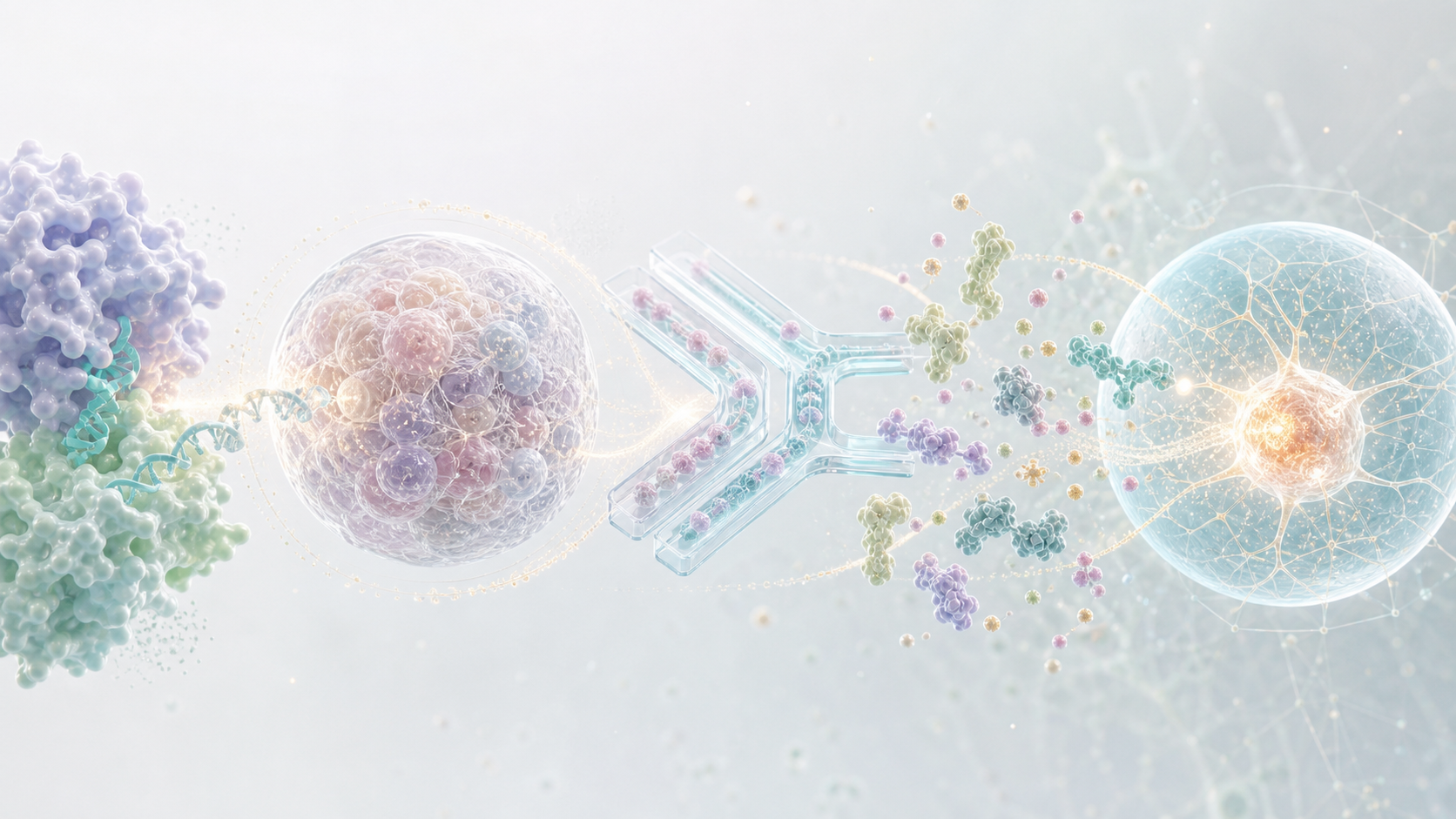
Therapeutic Hypothesis Engine
Templates intervention logic, predicts outcomes, and prioritizes promising therapeutic options.

AI Robotix Biotech Intelligence
Human-centered biotech intelligence
Its greatest promise is to profoundly transform human health by accelerating scientific discovery, anticipating disease, personalizing treatments, and opening new possibilities to improve the quality of life for humanity.
Integrated modules that perceive biology, propose interventions, and reason from mechanism to patient impact.
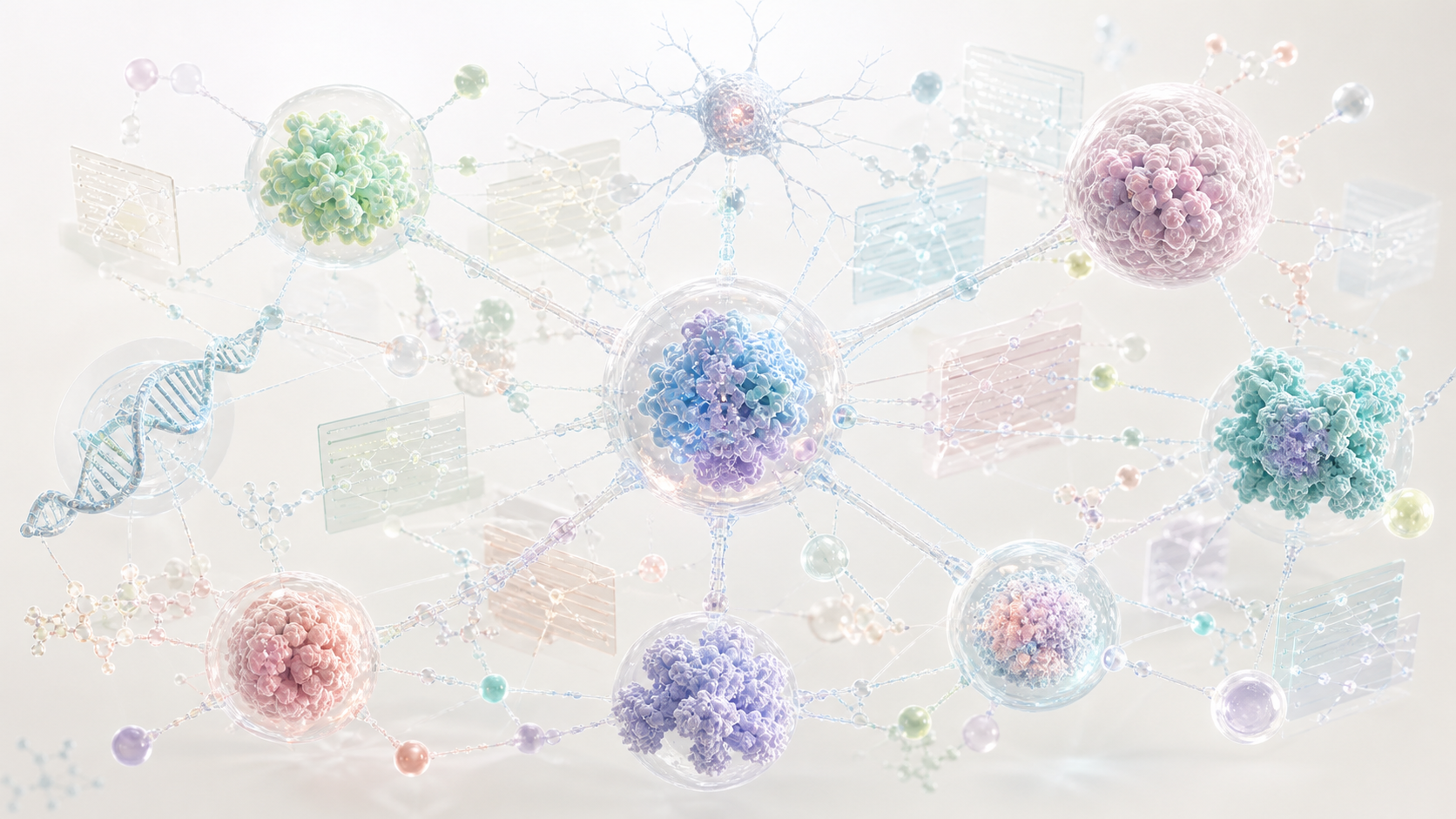
Disease State Map
Central reasoning canvas
Predicted downstream effects
Templates intervention logic, predicts outcomes, and prioritizes promising therapeutic options.
Explores perturbations to predict mechanism-aware effects and downstream consequences.
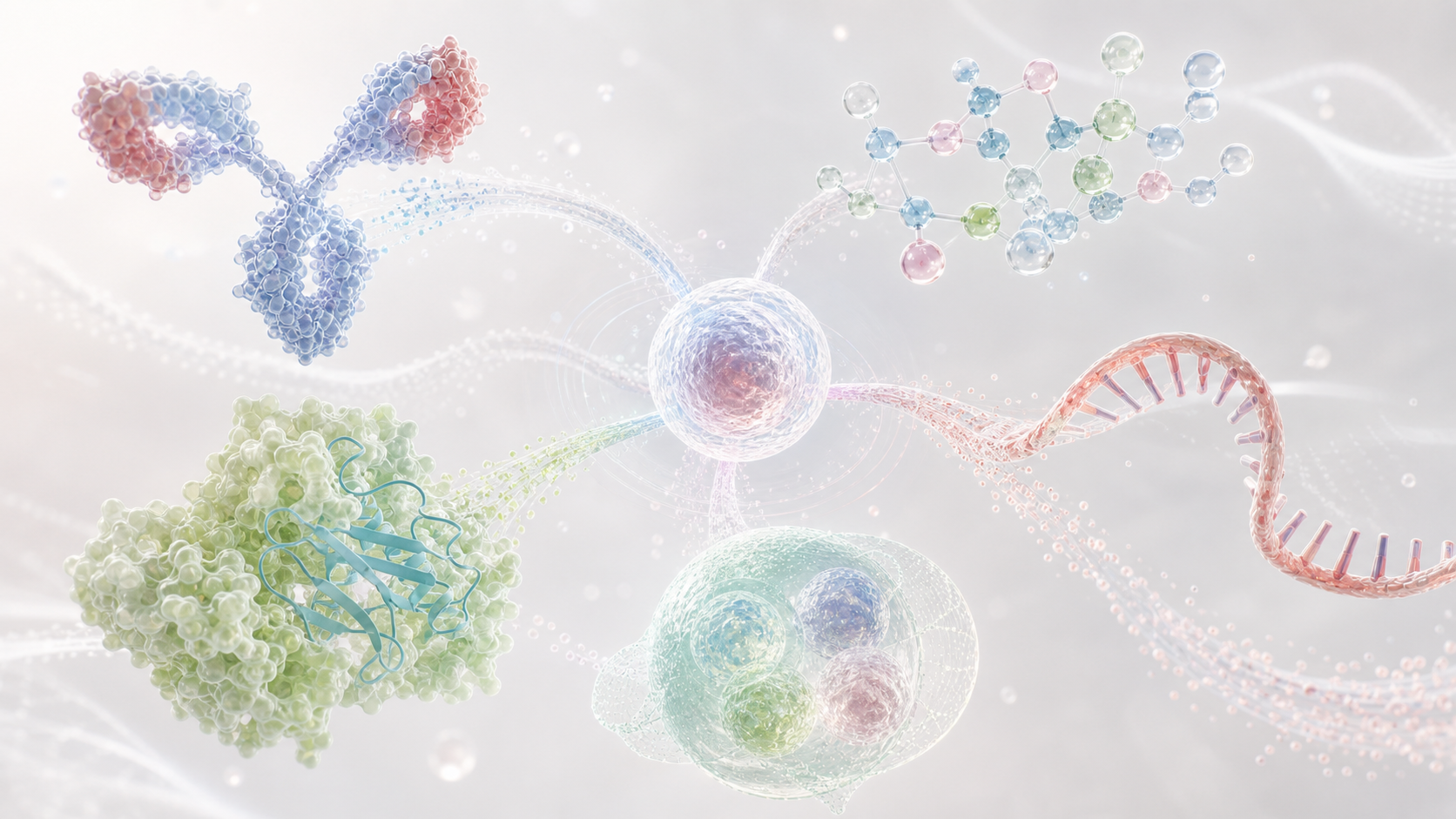
Maps antibodies, small molecules, RNA, protein engineering, cell-state modulation, and combinations.
Connects literature, datasets, and experiments with confidence scoring and provenance.
Bridges mechanisms to patient relevance through biomarkers, endpoints, experiments, and real-world data.
Hypothesis to Proof
Define the biological question and context.
Generate mechanism-grounded hypotheses.
Design experiments and in silico screens.
Prioritize and refine best interventions.
Test, confirm, and analyze outcomes.
Advance with confidence to patient impact.
Pillar 01
Before designing therapies, we map disease states, biological drivers, patient subtypes, and intervention opportunities. The goal is not just to find targets, but to understand where intervention could matter.
Pillar 02
The platform translates disease-state understanding into structured hypotheses: what to perturb, why it matters, what result is expected, and which therapeutic modalities may be plausible.
Pillar 03
Each hypothesis must move toward experimental and translational proof: biomarkers, assays, model systems, patient-relevant endpoints, and evidence packages that make the next decision clearer.